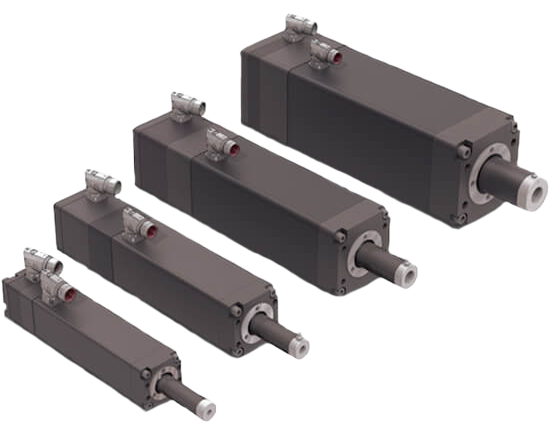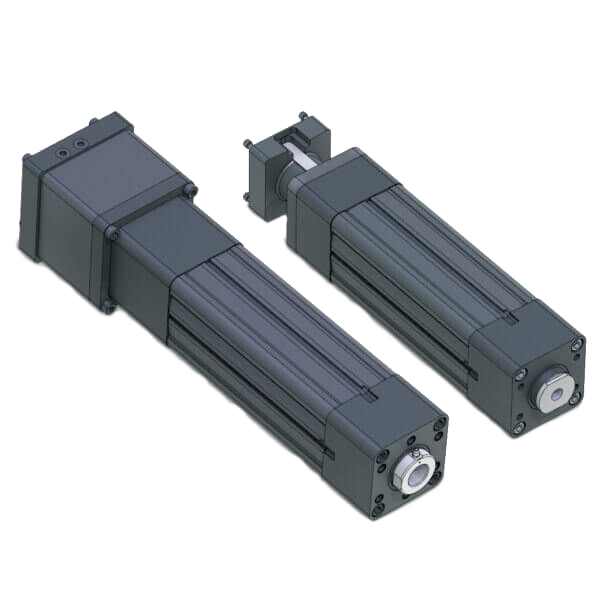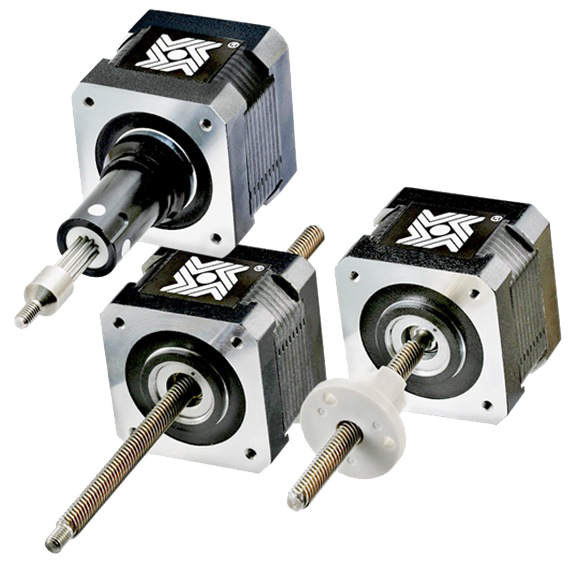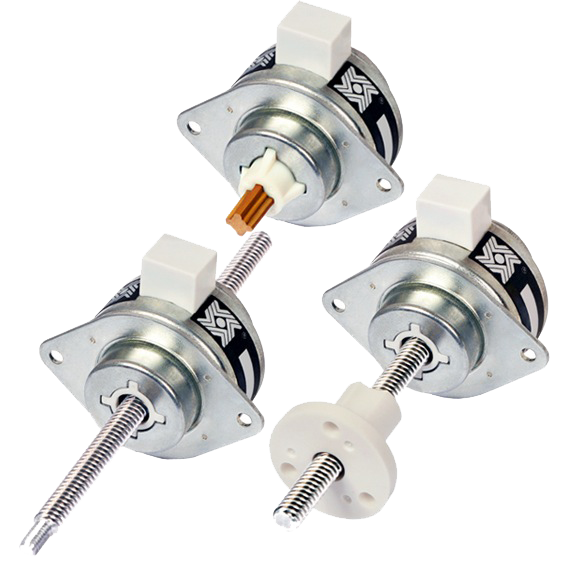
A linear actuator converts the rotary motion of a DC motor into linear motion. This enables objects to be moved precisely along a straight axis.
Depending on the design, linear actuators can achieve peak performance in terms of force, dynamics or accuracy. They are ideal for applications where high linear forces or precise positioning are required in limited installation space.
How Does a Linear Actuator Work?
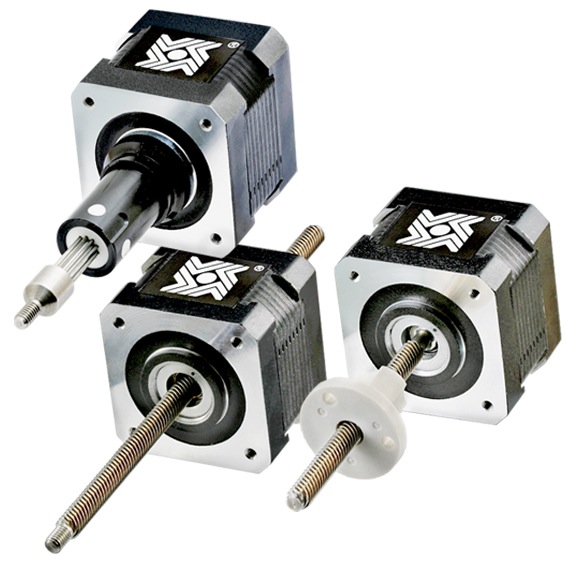
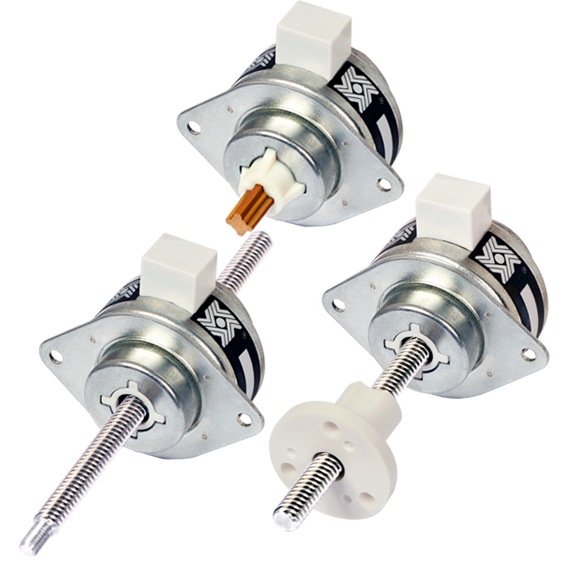
A linear actuator essentially consists of three components: motor, lead screw and nut. The rotation of the motor causes the lead screw to rotate; the nut is connected to the application and transfers the motion in a linear direction.
In addition, MACCON offers users a variety of options: different thread geometries, various lead screw designs and special hygienic-design versions are available for applications in sensitive areas such as the food and pharmaceutical industries.
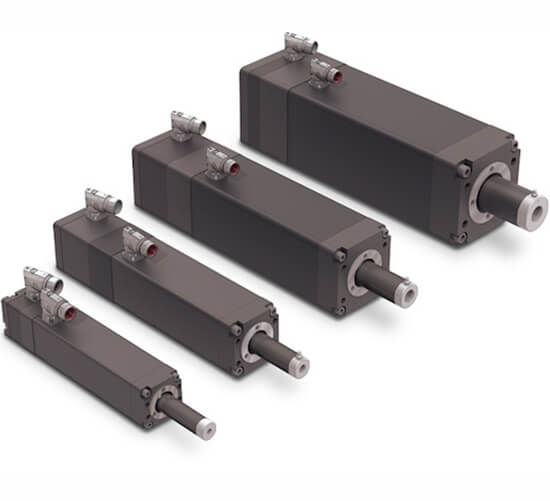
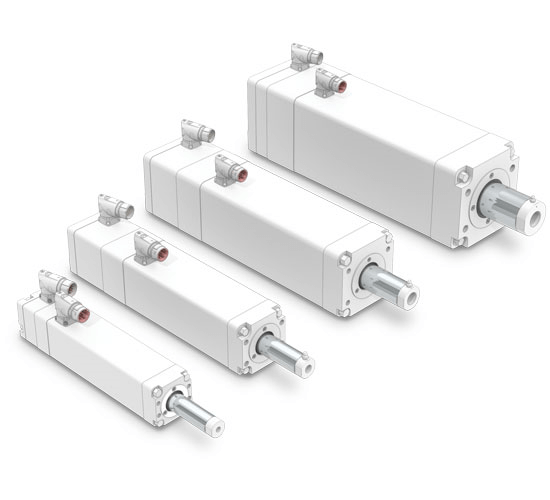
Food grade IMA servo actuators with white epoxy coating for sanitary applications. Thrust forces up to 30.6 kN.
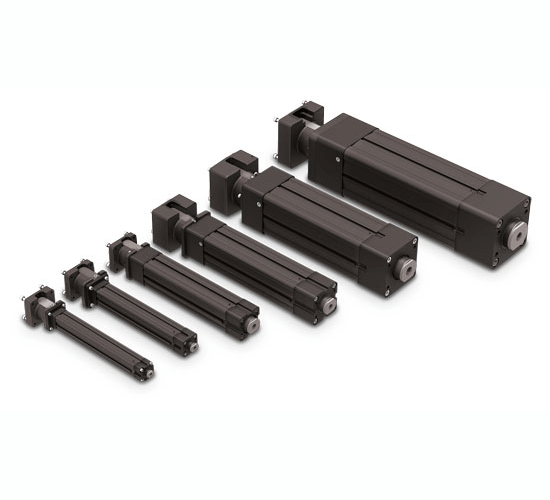
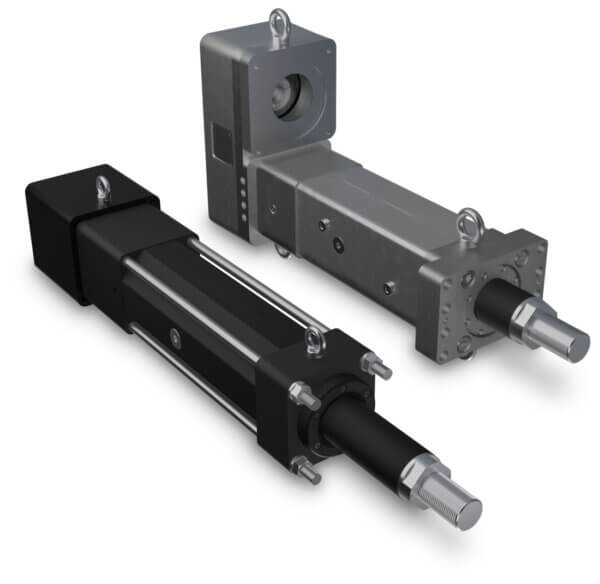
Hydraulic-class electric linear actuators that are roller screw driven, and provide extremely high forces, precision, and long life. Ideal for hydraulic replacement. Forces up to 445 kN.
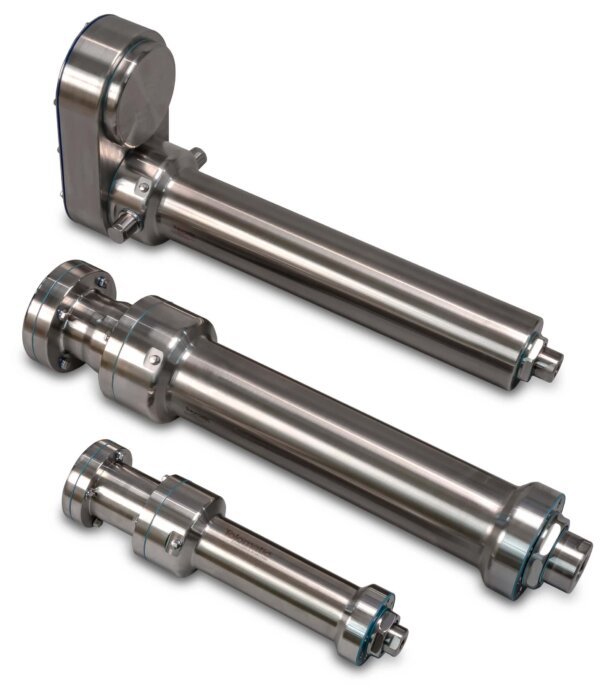
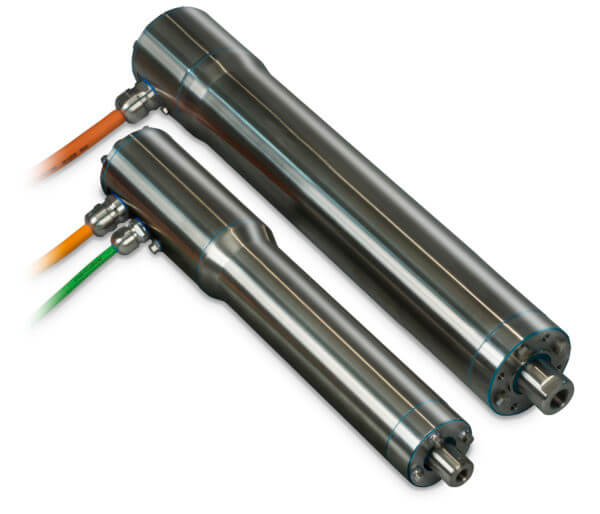
316 stainless steel construction and IP69K rating provide an electric rod style actuator ideal for food, beverage, and pharmaceutical machines. Forces up to 35.3 kN.
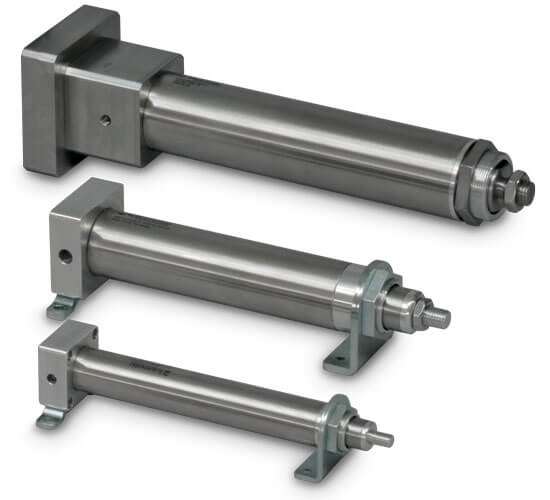
Economical electric rod cylinder that is compatible with NEMA & metric mount stepper and servo motors. Ideal for pneumatic replacement. Forces up to 2.2 kN.
Do you have any questions or would you like some advice?
Please feel free to send us your technical requirements or questions in writing using the contact form linked below. We will get back to you as soon as possible after receiving your enquiry.